Four Essential Items to Help You Survive a Japanese Winter
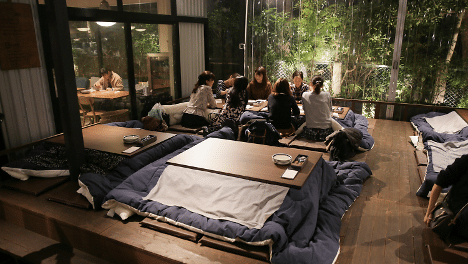
Japanese winters can be cold, brutally
cold. Data from the Japan Meteorological Agency
that in 2021, the coldest month of
January saw the temperature in Tokyo dip to as low as -2 degrees Celsius, with
humidity averaging 57%. Those unfortunate enough to live in the northernmost
prefecture of Hokkaido
temperature as low as -11 degrees
Celsius, with humidity averaging 74% in January.
For those who come from and are used to warmer climates, such data confirm the Japanese winter to be a decidedly bone-chilling and soggy affair. Thankfully, Japanese innovation, some of them centuries old, has made the dead of the winter much more tolerable for the country’s residents. Some of the following items are worth taking up by any new foreign resident surviving through a Japanese winter for the very first time.
1. Kotatsu, the Japanese Heated Table
Turning on the air conditioner just to heat
the whole apartment can be wasteful when you are just sitting in one corner of
one room. The electricity bill can quickly pile up especially since so many
Japanese apartments
So, instead of spending money constantly
keeping the air in the apartment warm throughout, why not just heat up where it
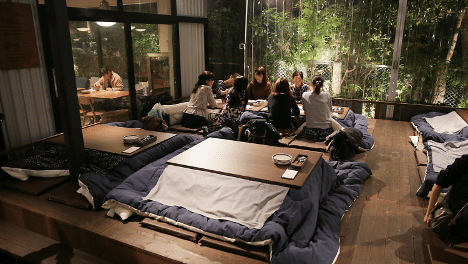
matters, like where you are sitting now? Enter the
, a low-rise
rectangular table with a heater built-in on its underside. In the winter, the
table is covered on the top with a quilt, allowing the heat from the in-built
heater to stay confined. Those needing some physical warmth just need to stick
their legs, arms, or even whole bodies below the quilt and enjoy.
Invented over 500 years ago when some people decided to put some cloths over charcoal stoves to keep warm, the Kotatsu is now getting a modern makeover, with minimalist designs that make it a stylish addition to even the least traditionally Japanese-looking of interior designs.
2. Heattech, a Modern Way to Dress Warm
Of course, you cannot always just sit in
your
at home just because
it’s cold outside. The modern human still needs to go to work, school,
shopping, and meeting up with friends outside even in the frigid winter.
Dressing warm, then, will be essential to ensure that winter outings in Japan
can be as enjoyable as possible.
Here, a more recent Japanese technology has
been allowing people to forego bulking up on cumbersome extra layers of thick
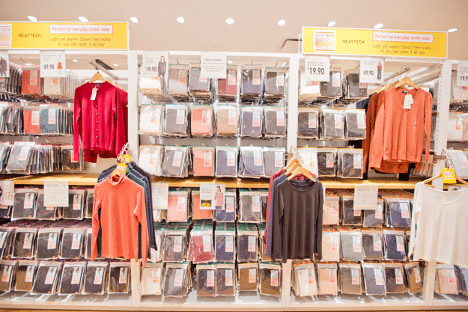
sweaters, hoodies, and jackets. In 2003, Fast Retailing Co. Ltd., the operator
of Japanese apparel chains Uniqlo and GU,
“Heattech,” a line-up of thin
microfiber-based undergarments that retain heat by better trapping moisture
generated by the body.
to be leveraged in a diverse range of
underwear, outerwear, as well as pillows, comforters, and other home
furnishings, all at price points that are affordable for regular consumers. A
long-sleeve Heattech shirt can be as cheap as JPY
, and even a warm Heattech blanket can be
had for JPY
. Such prices enable people to arm
themselves with a whole line-up of Heattech products for both going out and
staying at home, in advance of Japan’s cold winters.
As Fast Retailing, and Uniqlo in particular, expand its global presence and product line-up, Heattech has become more accessible to an international audience and more geared toward those seeking out fashionable styles in winter, beyond just the need to keep warm. And as the technology underlying Heattech’s success becomes more mature and widely known, serious competition has emerged to keep people stylish and warm. It makes all the more sense to jump on this fashion bandwagon.
3. Nabe, the Traditional Japanese Pot to Beat the Winter
Yet, no matter how much technology
advances, nothing beats the most straightforward way of keeping warm of them
all: chowing down on some warming foods. Just like every culture that formed
and developed in colder climates, the Japanese one has developed a culinary
tradition that ensures its practitioners are replete with choices when it comes
to using food to up the body temperature.
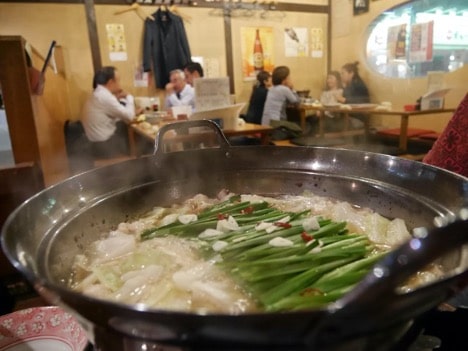
No discussion of winter-ready Japanese
foods would be complete without discussing the
has been a platform for boiling different ingredients together
since the twilight of Japanese civilization when clay pots were first
.
Over the past centuries, different parts of Japan produced their own localized
versions of
, based on locally
available ingredients from the land and sea, as well as the influences of
tastes from various corners of the world. Some of these local versions have
since
And it is not just the warmth of the nabe itself that beats the wintery cold. Making and consuming the pot is traditionally a communal affair, bringing together big groups of family members and friends around a big table. The heat from both the pot and the people is sure to make you forget the chilliness outside. Nabe can be eaten at restaurants specializing in them, or easily made at home as a group activity. All you need is a pot, then fill it with ingredients that can be readily bought from any supermarket, including pre-made soup stock and packs of vegetables and meats already cut to the right sizes especially for nabe.
4. Onsen, the Pride of a Volcanic Archipelago
Warming yourself from the inside does not
necessarily require eating hot foods. Soaking in hot water would help as well.
And there are few places better in the world than Japan for finding natural hot
water to bathe in. As a series of islands on the volcanically active Pacific
Ring of Fire, Japan is home to more than
, or hot springs, just by a rough estimate. Geographically
dispersed throughout the country, each of these hot springs would be exploited
by several spa resorts that provide not only baths but relaxing lodging and
specialty foods for a nice vacation away from the country’s hectic big cities.
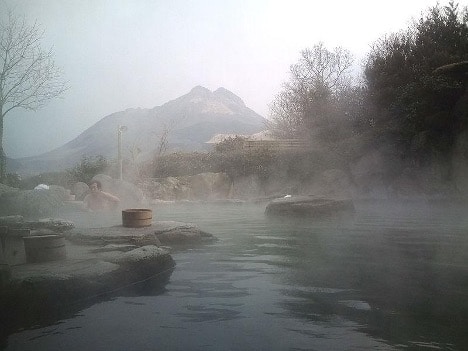
water is not just about soaking up
the warmth of the water temperature. As the hot waters are pumped from their
varying geological formations, each brings a different set of minerals for
helping to improve the bathers’ health. Plenty of them touts healthy benefits,
including beautifying the skin, making blood circulation more vigorous, and
alleviating muscle pains. Getting warm has never been such a healthy activity.
For those that are too far away from a
natural hot spring, your neighborhood may offer something close.
, or communal bath, offers a
neighborhood bath experience without the naturally hot water. Using boiled
water often with health-pleasing chemical ingredients artificially added, these
communal baths can get you warmed up without a long trip to distant resorts.
There is no doubt that Japan is a cold
place in the winter, even for people who are born and bred in the country. But
people have, over centuries, adapted to the low temperatures in every aspect of
their lives, getting and keeping warmth wherever they can get it. From living
to dressing to eating to going out, all winter activities can be geared toward
the purpose of keeping winter chills at bay. New foreigners in Japan should
certainly take note and follow suit.
Study
Abroad Research Institute
, a non-profit
organization seeking to promote study abroad in Japan.


.jpeg)






















.jpeg)





.png)