Three Ways to Save Money While Living in Japan
Big cities in Japan, where many foreigners
study or work, can be some of the most expensive places to live in. Rough
estimates
that, in central Tokyo, even tiny studio
apartments can set you back by JPY 50,000 a month, plus another JPY 10,000 in
monthly utility bills. Throw in JPY 1,000 per meal at the cheapest restaurants
and another JPY 2,000 for the bare minimum monthly cellphone plan, and you are
sure to stretch your monthly salary, which can be as low as JPY
for those sustaining on minimum
wage.
For foreigners who are eager to not only
enjoy their lives in Japan but also send home extra money back home to their
families, it is essential to find various ways to save wherever they can. For
students on scholarships and unknown prospects of future employment in the
country, it is especially important to build up a small stash for potentially
rainy days ahead.
Thankfully, by taking advantage of many
existing cost-saving measures from governments and private companies, residents
in Japan can indirectly receive discounts for shopping, investing, or even just
paying taxes. Below are some ways that people can fill up their piggy banks
just a bit more by paying attention to how they go about their daily lives.
1. Where to Find the Cheapest Groceries
Many foreigners, when they come to Japan
for the very first time, discover that the country is not exactly known for
cheap groceries. With high import tariffs, a shortage of farmland, and the
prevalence of small-plot, non-mechanized agriculture, the country is home to
some of the most
fruits and vegetables in the world.
The sticker shock is so much so that sometimes, cooking at home may not be
cheaper than dining out.
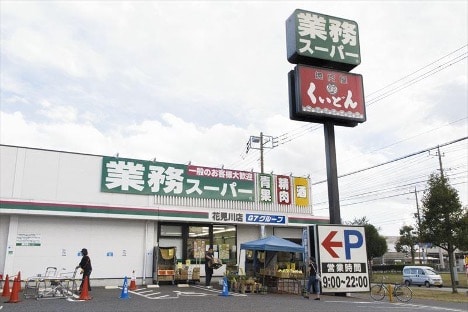
But not all groceries are expensive and
some supermarkets have made a name for themselves by providing the most
affordable groceries for the Japanese general public. Nationwide chain
Super, or “business supermarket,” in particular, has advertised itself as the
go-to place to get industrial-sized food packages at wholesale prices that
restaurant owners are more used to. Emulating the bulk purchase
business model pioneered by Costco in the US and
into Japan, Gyomu Super has
from zero to 200 stores in every single
one of Japan’s 47 prefectures in less than 20 years.
Plenty of examples abound that justify how
Gyomu Super manage to gain such a steady following in such a short time. A
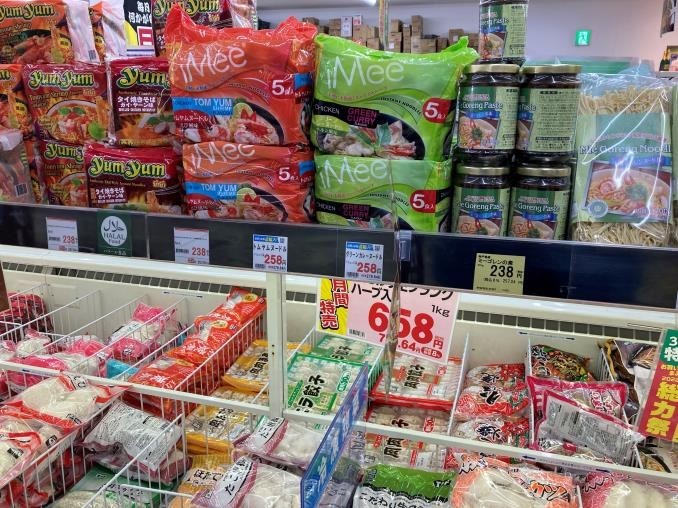
quick scan of the items on sale at Gyomu Super for November
that five portions of ready-to-eat curry
are retailing for JPY 248, which the same price may only buy you one portion in
a regular supermarket. A block of tofu costs only JPY 26 in Gyomu Super when
the same would easily cost over JPY 100 elsewhere. For those not looking for
brand-name products, there is no reason not to be attracted to the fact that
Gyomu Super sells products at mere fractions of competitor stores’ prices.
But you do not necessarily need to seek out a nationwide wholesale chain like Gyomu Super or Costco to find the best prices. Your local supermarket will regularly have advertisements or coupons for discounts on specific items. Moreover, by going to specialty discount stores, such as Niku no Hanamasa for large chunks of meat at affordable prices, you can easily piece together a list of destinations for the cheapest prices on each category of groceries.
2. Points, Points, and More Points
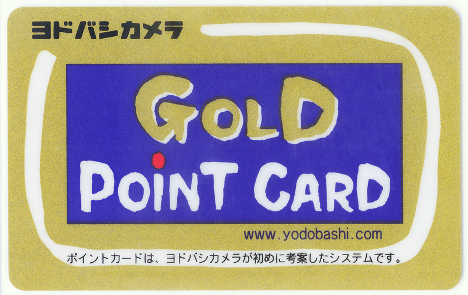
Take a close look at the wallets of your
Japanese friends. Chances are that, amidst all the debit and credit cards, they
may also carry a slew of other cards colorfully decorated with the logos of
supermarkets, pharmacies, bookstores, and e-commerce portals. These are point
cards, allowing the users to accumulate points when making purchases, with the
points being able to be redeemed for future purchases. They are like membership
cards without membership fees, but regular rebates for frequent usage.
For the average Japanese, accessing
multiple points-based rewards systems at the same time is not at all rare. A
March 2019 survey of 2,000 Japanese consumers
that more than 2/3 of the participants use “
,” originally issued by the bookstore
chain Tsutaya but has since become widely used elsewhere due to a series of
operational tie-ups. The same survey also showed that half of the population
also subscribes to points issued by e-commerce giant Rakuten and internet
conglomerate Recruit.
The diversity of the point systems also
make earning points easy and prevalent. As smartphones become more common,
major rewards systems have now all developed their own mobile apps that can be
used instead of physical cards. Just as getting airline memberships earns miles
for flying, credit cards linked with rewards systems, issued by financial
services providers like
, can be used to earn points just by
making purchases. As digital wallets become more widely accepted, mobile payment
systems like
can also now be used to earn even more points.
These earned points can quickly pile up. For instance, in the case of Rakuten’s point system, while normally you can earn one point, worth JPY 1, for every JPY 100 spent on its services, the firm’s various programs to increase rewards can see can increase the number of points earned by as much as 15.5 times the normal amount, not to mention extra points that are rewarded simply for signing up on new services. Who can say no to 15% off on future purchases just for buying daily necessities online?
3. Cut Down on Your Tax Bill with Furusato Nozei
Yet, the expensiveness of Japan does not
just appear in grocery shopping. Your income takes a hit before it even arrives
in your bank account, in the form of various taxes and deductions. Even for
those earning as low as JPY 3.3 million a year, income
can be as high as 20%, with municipal tax
as well as mandatory contributions for pensions and health insurance taking
another 20% or more out of the paycheck. Thought in terms of salary figures on
paper, taxes can be even costlier than living expenses.
While the tax brackets are enshrined in law
and cannot be avoided, the Japanese government has at least allowed residents
to get something more in return for paying their taxes. This system is known as
, or “hometown tax
payments.” For any fiscal year, residents of big cities like Tokyo are eligible
to “
” up to 20% of their income taxes to
rural communities in exchange for gifts worth 30% or more of the taxes donated.
The donated amount is then deducted from their tax bills at their places of
residence and they receive a bag of gifts like brand-name meat, vegetables,
seafood, other specialties of the rural communities to which they donated.
Sometimes, the gifts themselves are so
practical that you would need them anyway. Some towns offer to
paper towels, toilet rolls, and other
daily necessities in exchange for tax payments, while others
sacks of rice and flour that you would
never consider hauling back from even the nearest convenience store. Add in the
fact that many of the local specialties available through
are simply unavailable through normal venues open to
regular consumers at price points they can tolerate, the financial benefits of
partaking in the scheme become even clearer.
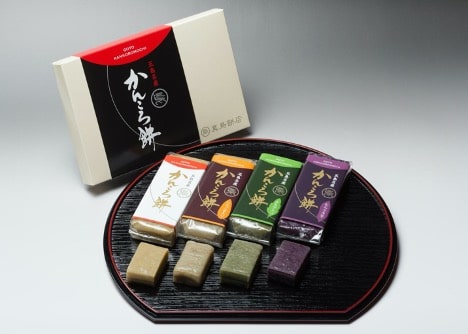
allows you to buy some high-quality groceries using
your tax bill. With
setting up dedicated pages for this
explicit purpose, covering your grocery bill with taxpayer money has become as
easy as online shopping.
Just as is the case for any other country,
living in Japan on the cheap requires some ingenuity on the part of the
consumers. The country’s high grocery and tax bills are a particular headache
for those seeking to maximize savings on their existing salaries. But a little
research can go a long way in helping foreign residents to take advantage of
both public and private programs available for stretching every yen spent.
Discounts, rebates, and gifts can bring about hidden savings that free up your
cash for purposes beyond the basics of day-to-day life.
Study
Abroad Research Institute
, a non-profit organization
seeking to promote study abroad in Japan.


.jpeg)
























.jpeg)





.png)